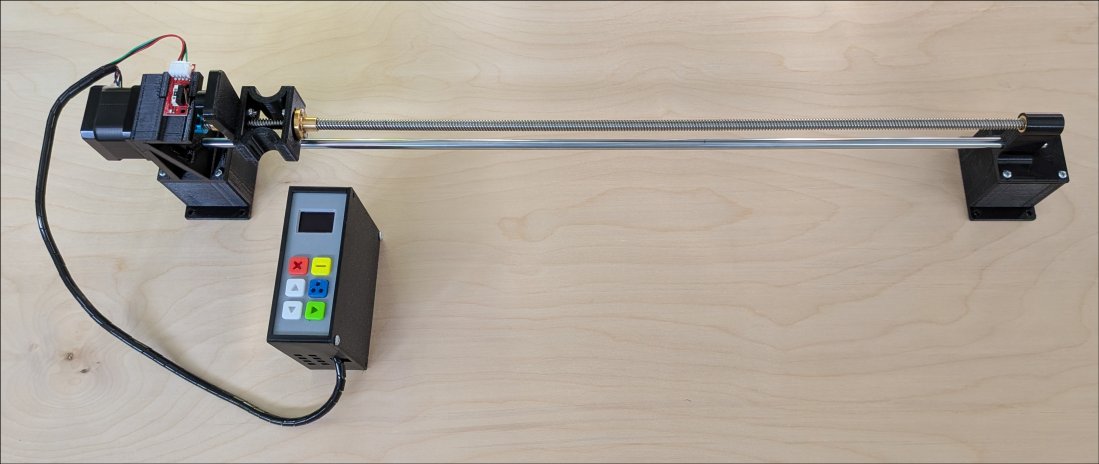
Achieving consistent precision is a defining requirement in modern fabrication. As production volumes increase and tolerances tighten, operators depend on tools that enhance accuracy, repeatability, and workflow efficiency. One tool that continues to provide measurable performance gains is the CNC backstop. Designed to deliver a fixed, reliable reference point for cutting operations, it supports improved consistency while reducing the time spent on manual measurement.
Table of Contents
- Why an Advanced Backstop Matters in Modern Fabrication
- Core Applications and Supported Materials
- Industries and Workflows That Benefit Most
- Compatibility with Standard Cutting Equipment
- Enhancing Workflow Efficiency Through Accurate Positioning
- Supporting Lean Manufacturing and Operational Efficiency
- Technology Enhancements and Modern Design Improvements
- Improving Safety Through Consistent Alignment
- Return on Investment From Precision Positioning
- Integration Into Existing Workflows
- Future Outlook: Continued Evolution of Precision Tools
- FAQs
- What role does a CNC backstop play in cutting operations?
- Can it help increase cutting speed during large production runs?
- Is the backstop compatible with standard saw types used in fabrication shops?
- Does it work well with different types of materials?
- Is this tool useful for smaller fabrication shops with limited staff?
- FAQs
The integration of advanced positioning systems has elevated the role of the backstop within manufacturing environments. Whether a shop is managing custom builds, large-scale production runs, or frequent changeovers, this tool supports smoother workflows and more predictable output. Its combination of mechanical stability and practical usability makes it a strategic upgrade for teams seeking improved accuracy without adding operational complexity.
Why an Advanced Backstop Matters in Modern Fabrication
Every cutting operation relies on accurate alignment. Traditional methods that depend on manual measurement introduce small variations that accumulate over time, affecting overall production quality. When these manual steps are repeated hundreds of times per day, the risk of inconsistency increases.
A well-designed CNC backstop mitigates these issues by establishing a precise point of contact that ensures each workpiece is positioned the same way before cutting. This leads to repeatable accuracy, shorter setup time, and more efficient throughput. For operations committed to eliminating waste and maximizing productivity, the improvement can be substantial.
In addition, reducing reliance on manual measurement supports higher operator confidence. Teams can focus on maintaining workflow speed rather than recalculating or verifying cut lengths multiple times per shift.
Core Applications and Supported Materials
One of the most valuable advantages of a high-performance CNC backstop is its ability to handle a wide variety of materials. Modern fabrication environments often work with diverse stock types, and equipment must adapt seamlessly to these changing requirements. Common cutting applications include EMT conduit, PVC pipe, plumbing-related materials, lumber, plastic rods, steel rods, aluminum tubes, and similar stock used in daily production. Because the reference point of the backstop remains fixed and reliable, operators can switch between materials quickly without compromising accuracy.
This versatility makes the CNC backstop an essential asset in settings that manage mixed workloads. By maintaining a consistent reference, operators can complete cuts more efficiently while reducing material waste and errors. The ability to handle multiple material types also improves workflow flexibility, allowing teams to meet diverse production demands without slowing down operations.
Industries and Workflows That Benefit Most
High-precision work environments rely on tools that support consistent accuracy while improving processing speed. An advanced CNC backstop proves invaluable across multiple industries and operational settings. Ideal users include cabinet makers, machine shops, production lines, lean manufacturing operations, facilities requiring quick changeovers, and custom fabrication teams handling repetitive cuts.
In these environments, the backstop reduces scrap, improves repeatability, and streamlines cutting processes. Businesses achieve greater operational stability and make more efficient use of both labor and materials. By standardizing cut lengths and improving workflow consistency, it also enhances product quality and ensures components fit together precisely in downstream assembly or installation tasks.
Compatibility with Standard Cutting Equipment
Modern CNC backstops are designed with broad compatibility in mind, making them easy to integrate into existing workflows. Whether a shop uses advanced cutting platforms or standard manual saws, installation is straightforward. Compatible equipment includes chop saws, band saws, miter saws, and other common cutting systems.
This compatibility eliminates the need for costly or time-consuming equipment modifications. Operators can install the backstop, align it, and immediately begin improving cut precision. The low-disruption setup ensures that production schedules continue smoothly, making the CNC backstop a practical upgrade for any facility seeking higher efficiency without replacing existing tools.
Enhancing Workflow Efficiency Through Accurate Positioning
Accurate material positioning is crucial to efficient workflow. Every second spent measuring, marking, and adjusting stock slows production, and over the course of a full shift, these delays can accumulate significantly. With an automated CNC backstop, operators can rely on a fixed, repeatable position that eliminates most manual measuring steps.
By simply placing the workpiece against the preset stop, cuts can begin immediately. This not only reduces operator fatigue but also improves consistency across every cycle. Uniform cut lengths minimize downstream assembly issues and improve quality control, ensuring that components meet exact specifications for every job.
Supporting Lean Manufacturing and Operational Efficiency
Lean manufacturing principles focus on reducing waste, improving workflow, and maximizing value-added activity. A well-engineered CNC backstop supports these goals by reducing unnecessary motion, lowering scrap volume caused by inconsistent cuts, facilitating faster setup changes, standardizing workflow steps, and simplifying training for new operators.
By improving consistency and minimizing errors, the backstop aligns naturally with initiatives aimed at predictable production and waste reduction. Facilities committed to lean practices benefit from more efficient processes, reduced operational costs, and higher productivity, making the CNC backstop an essential tool for long-term manufacturing success.
Technology Enhancements and Modern Design Improvements
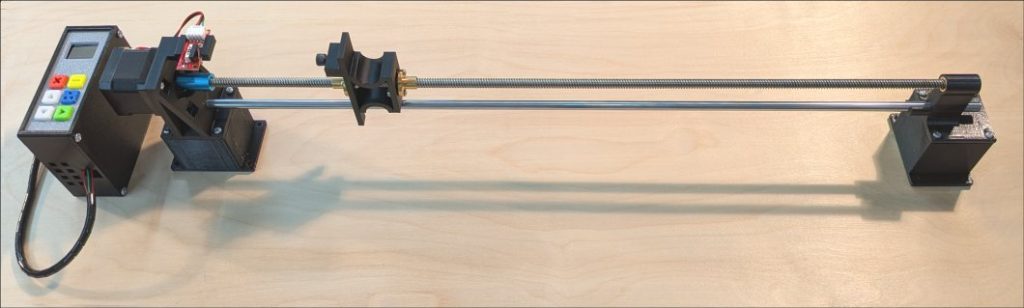
The evolution of fabrication technology has raised expectations for supporting tools like CNC backstops. Modern designs incorporate improved stability, precision mechanisms, and features that maintain alignment even under heavy use. Technological enhancements often include more durable adjustment components, higher rigidity under load, advanced mounting systems, and smoother micro-adjustment capabilities.
These improvements ensure the backstop remains accurate throughout extended production cycles. As cutting equipment becomes more advanced, supporting tools like the CNC backstop must offer equal reliability and precision, ensuring that operators can maintain high-quality cuts and efficient workflow in demanding environments.
Improving Safety Through Consistent Alignment
Operational safety depends on predictable, stable workflows. When operators must repeatedly reposition material by hand near the blade, risk naturally increases. Eliminating unnecessary adjustments creates a safer environment by reducing the number of manual interactions close to cutting areas.
A stable backstop minimizes opportunities for material slip, unexpected rotation, or incorrect angles that could lead to kickback or binding. Predictability is one of the most effective ways to reduce cutting-related hazards.
By simplifying positioning tasks, a CNC backstop supports safer work habits and contributes to long-term injury prevention initiatives.
Return on Investment From Precision Positioning
Although relatively simple compared to large cutting systems, a high-quality backstop delivers a surprising return on investment.
Cost savings appear in three primary areas:
- Reduced scrap and wasted material
- Faster production cycles
- Improved cutting accuracy that reduces rework
Over time, these advantages support higher throughput and better profitability. For shops looking to scale production or enhance competitive differentiation, the backstop is a low-cost, high-impact upgrade.
Integration Into Existing Workflows
Most operators can incorporate a backstop with minimal changes to existing procedures. The installation process is straightforward, and operation requires no complex training. Once positioned and calibrated, it works seamlessly within standard cutting tasks.
Operators quickly adapt because the workflow becomes more intuitive. Instead of measuring, marking, and adjusting repeatedly, material is simply placed against the reference point. This ease of use reduces training time and improves consistency across personnel.
Future Outlook: Continued Evolution of Precision Tools
As machining environments adopt more automation and integrated measurement systems, supporting tools will evolve as well. Future backstop enhancements may include more refined adjustability, improved ergonomics, and faster repositioning capabilities.
Despite technological shifts, the fundamental purpose remains constant: to provide reliable, repeatable positioning that improves cut accuracy and supports efficient workflows. The CNC backstop will continue to play a key role in environments where precision and throughput are essential.
FAQs
What role does a CNC backstop play in cutting operations?
It provides a consistent point of alignment for materials, ensuring repeatable and accurate positioning throughout production cycles.
Can it help increase cutting speed during large production runs?
Yes. By removing repetitive measurements and manual alignment, it streamlines the workflow and supports faster throughput.
Is the backstop compatible with standard saw types used in fabrication shops?
It integrates with chop saws, band saws, miter saws, and similar equipment, making it adaptable to various production environments.
Does it work well with different types of materials?
Yes. It handles metals, plastics, wood, and many other common stock types without reducing accuracy or stability.
Is this tool useful for smaller fabrication shops with limited staff?
Smaller teams often see significant benefits, as the backstop reduces rework, speeds setup, and improves consistency regardless of operator experience.