
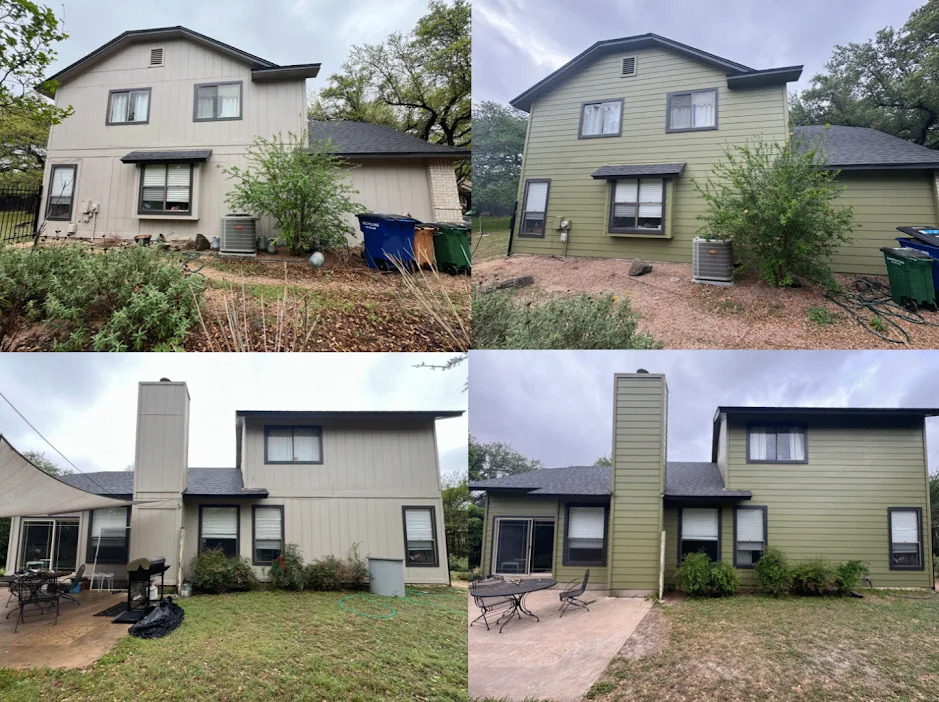
A home’s exterior does more than create a first impression. Siding helps protect wall assemblies from moisture, heat, wind, and everyday exposure while also influencing insulation, maintenance needs, and curb appeal. As materials and exterior design trends continue to evolve, homeowners have more choices than ever when planning an exterior upgrade. For homeowners considering siding replacement in Austin, the key is to look beyond colour and appearance.
Table of Contents
- What Makes Modern Siding Different?
- Modern Siding Options to Consider
- When Is Home Siding Replacement Worth Considering?
- Planning Siding Replacement in Austin
- What to Look for in a Siding Contractor
- Installation Quality Matters as Much as Material Choice
- Creating a More Cohesive Exterior Design
- Budgeting for a Siding Project
- Frequently Asked Questions
- 1. How do I know whether my siding needs replacement?
- 2. What siding material is suitable for Austin homes?
- 3. How long does a siding replacement project take?
- 4. Can new siding improve energy efficiency?
- 5. Should siding be replaced before or after windows?
- 6. Is fibre cement siding difficult to maintain?
- 7. How can homeowners compare siding contractors?
- Frequently Asked Questions
- Final Thoughts
What Makes Modern Siding Different?
Modern siding is available in a broad range of materials, profiles, textures, and finishes. Advances in manufacturing have also improved consistency, durability, and design flexibility.
Rather than selecting a product solely because it looks attractive, homeowners should consider how it will perform under local weather conditions. Extended sun exposure, seasonal storms, humidity, temperature changes, and moisture can all affect an exterior over time.
A practical siding decision should balance:
- Durability and expected service life
- Resistance to moisture and weather exposure
- Maintenance requirements
- Appearance and architectural style
- Installation requirements
- Material and labour costs
- Manufacturer specifications and warranties
This approach makes the selection process more useful than simply following the latest exterior design trend.
Modern Siding Options to Consider
Fiber Cement Siding
Fiber cement is a popular option for homeowners who want a durable exterior with a traditional or contemporary appearance. It can be manufactured in different profiles and textures, allowing it to complement a variety of architectural styles.
Before selecting any fibre cement product, it is important to review the manufacturer’s installation requirements, maintenance recommendations, and applicable warranty information. James Hardie fibre cement siding is one option homeowners may research when durability, appearance, and material performance are priorities.
Vinyl Siding
Vinyl siding remains an option for homeowners looking for relatively low-maintenance exterior cladding. It is available in numerous colours and profiles and can provide a clean, consistent appearance.
Its performance depends heavily on proper installation. Expansion and contraction allowances, fastening methods, flashing details, and alignment should follow applicable manufacturer requirements.
Engineered Wood Siding
Engineered wood siding can provide the visual character associated with wood while incorporating manufactured construction techniques. It is available in multiple profiles and finishes, making it suitable for homeowners seeking a more traditional exterior style.
Homeowners considering this material should pay close attention to moisture management, edge treatment, clearances, and maintenance instructions.
Traditional Wood Siding
Natural wood offers distinctive texture and character that can suit both classic and modern homes. However, it generally requires more ongoing attention than some manufactured alternatives.
Cleaning, painting or staining, moisture control, and prompt attention to deterioration can all influence the lifespan of wood siding.
When Is Home Siding Replacement Worth Considering?
Not every siding issue automatically means the entire exterior needs to be replaced. A professional evaluation can help determine whether the existing material remains suitable or whether replacement is more practical.
Common signs that deserve attention include:
- Cracked, warped, or deteriorated panels
- Persistent peeling or fading
- Soft areas or evidence of moisture intrusion
- Gaps around windows, doors, or corners
- Visible mould or mildew
- Repeated exterior maintenance
- Siding that has reached the end of its expected service life
- Changes in indoor comfort that may indicate exterior envelope concerns
The age and condition of the siding should be considered alongside the condition of the underlying wall assembly. During a home siding replacement project, removing existing siding can reveal sheathing or framing conditions that were not visible beforehand, making a thorough project assessment important.
Planning Siding Replacement in Austin
A successful project starts before any material is ordered. Homeowners should establish the scope of work, compare suitable materials, confirm measurements, and understand the installation sequence.
For siding replacement in Austin, accurate measurements are particularly important because material quantities affect both project planning and budgeting. Wall dimensions, openings, trim, corners, transitions, and waste allowances should be accounted for when preparing an estimate.
Review the Existing Exterior
The existing siding should be evaluated for visible deterioration and potential moisture-related concerns. Areas around windows, doors, roof lines, corners, and other transitions deserve particular attention.
Compare Materials Carefully
Do not compare products only by their initial price. Consider expected maintenance, installation requirements, durability, finish options, warranty conditions, and the suitability of each material for the property.
Think About the Complete Exterior
New siding may look noticeably different from existing windows, doors, trim, roofing, or other exterior features. Consider the entire façade rather than choosing siding in isolation.
Confirm Installation Details
A qualified siding installation company for Austin, Texas, homeowners should be able to explain the proposed installation process, including preparation, flashing, fastening, moisture management, trim details, and cleanup.
What to Look for in a Siding Contractor
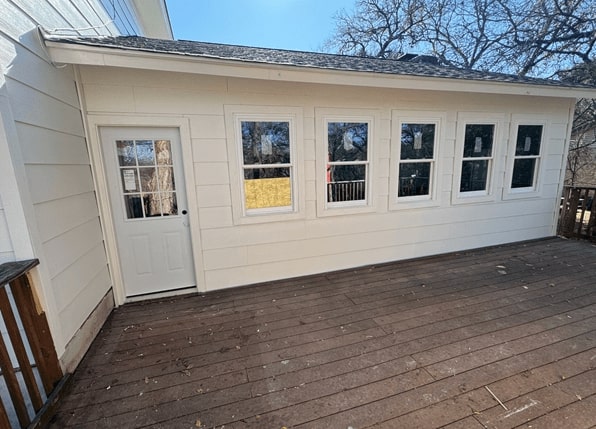
Choosing an installer is just as important as selecting the siding itself. A siding contractor in Austin, TX, homeowners are considering should provide clear information about the scope of work rather than relying on vague promises.
Before signing an agreement, homeowners can ask:
- What material and product will be installed?
- What preparation is included?
- How will moisture be managed around openings and transitions?
- Who will perform the installation?
- What manufacturer instructions apply?
- What warranties are provided?
- How will unexpected conditions discovered after removal be handled?
- What is included in the written estimate?
Clear answers can make it easier to compare proposals and understand what is actually included in the project.
Installation Quality Matters as Much as Material Choice
Even a high-quality siding product can perform poorly when installation details are overlooked. Correct fastening, alignment, clearances, flashing, ventilation, and transitions all contribute to the finished system.
Professional residential siding installation should therefore follow the relevant product specifications and established installation practices. The objective is not simply to attach panels to the wall but to create an exterior system that works properly with the home’s existing components.
For homeowners reviewing siding replacement in Austin, the installation plan should also account for windows, doors, corners, soffits, roof intersections, and other areas where different materials meet.
Creating a More Cohesive Exterior Design
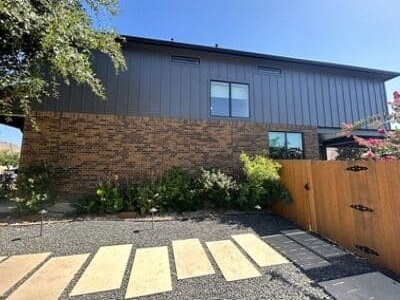
Modern siding provides opportunities to combine different textures and profiles without making the exterior look disconnected. For example, a primary siding profile can be paired with a contrasting material or accent area around architectural features.
Colour selection should also be considered alongside roof colour, window frames, doors, trim, and surrounding landscape. Digital visualisation tools can be useful because they allow homeowners to review possible combinations before installation begins.
Genuine Texas Exteriors provides siding installation and replacement services and uses visualisation tools to help homeowners explore exterior styles before work starts.
Budgeting for a Siding Project
There is no single price that applies to every siding replacement. The total investment can vary according to:
- Home size and wall area
- Selected siding material
- Number of architectural details
- Removal requirements
- Trim and accessory requirements
- Underlying conditions discovered during preparation
- Labour and installation complexity
- Painting or finishing requirements
A detailed written estimate from Genuine Texas Exteriors can be more useful than comparing a single headline price. Homeowners should confirm whether preparation, removal, disposal, trim, flashing, finishing, and cleanup are included.
Frequently Asked Questions
1. How do I know whether my siding needs replacement?
Cracking, warping, significant fading, moisture-related deterioration, mould growth, soft areas, and widespread ageing can indicate that replacement should be considered. A professional assessment can help determine the appropriate scope.
2. What siding material is suitable for Austin homes?
There is no universal material that is right for every property. Fiber cement, vinyl, engineered wood, and natural wood each have different characteristics. Homeowners should compare durability, maintenance, appearance, installation requirements, and budget before deciding.
3. How long does a siding replacement project take?
The timeframe depends on the home’s size, design complexity, selected material, preparation requirements, and weather. A detailed project assessment should provide a more realistic schedule than a generic installation timeframe.
4. Can new siding improve energy efficiency?
Siding can contribute to the overall performance of an exterior wall system, but energy efficiency depends on several components, including insulation, air sealing, windows, doors, and the condition of the building envelope. New siding should not be viewed as the sole solution for high energy bills.
5. Should siding be replaced before or after windows?
The answer depends on the condition of the existing windows, siding, flashing, and surrounding wall assembly. When both projects are planned together, the installation sequence can be coordinated so that interfaces between the materials are properly addressed.
6. Is fibre cement siding difficult to maintain?
Maintenance requirements vary by product and finish. Austin Homeowners should follow the manufacturer’s cleaning, repainting, and inspection recommendations to help preserve appearance and performance.
7. How can homeowners compare siding contractors?
Look for clear written proposals, relevant experience, proper insurance, material information, warranty details, project timelines, and an explanation of preparation and installation procedures. Comparing the scope of each proposal can be more informative than comparing prices alone.
Final Thoughts
Modern siding gives homeowners more flexibility in appearance, material selection, maintenance, and long-term exterior performance. The right choice depends on the property’s construction, the homeowner’s priorities, the selected material’s characteristics, and the quality of installation.
When planning siding replacement in Austin, take time to inspect the existing exterior, compare materials, understand installation requirements, and obtain a detailed project scope. Careful preparation can help reduce surprises and create an exterior that complements the home’s design while providing dependable protection.
Planning a siding project in the area? Get directions to the local location and explore available siding installation options for your next exterior improvement project.
