
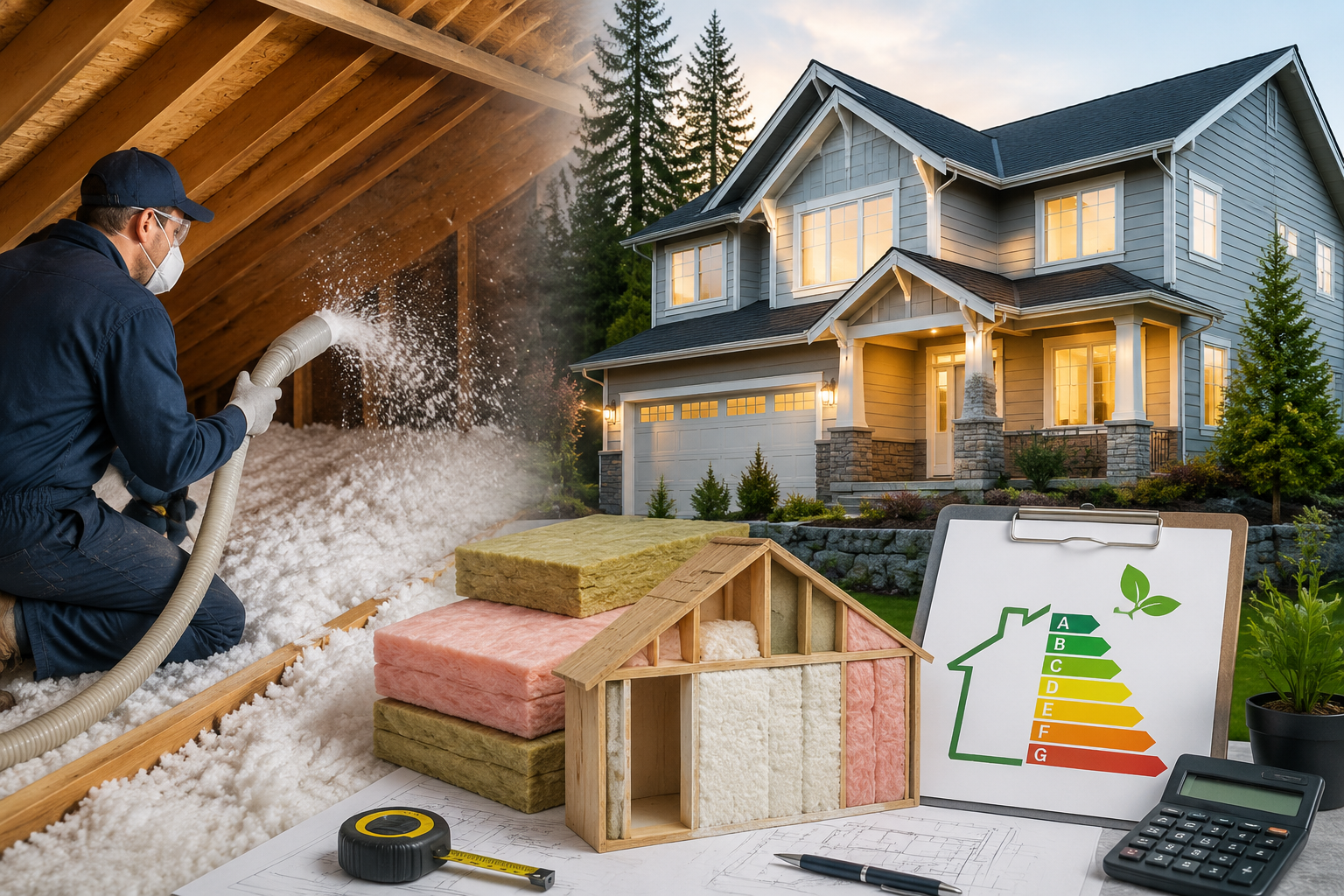
A comfortable, energy-efficient home starts with an effective building envelope. In Langford, British Columbia, seasonal rainfall, cool winters, and changing temperatures make insulation an important consideration for homeowners. Before upgrading existing materials or adding new insulation in Langford, it is worth understanding where heat escapes, how moisture affects performance, and how insulation works alongside heating and cooling equipment.
Table of Contents
- 1. Identify Signs That Your Home Needs Better Insulation in Langford
- 2. Choose the Right Insulation for Different Areas of Your Home
- 3. Consider Langford’s Climate and Moisture Conditions
- 4. Compare Insulation Materials and R-Values
- 5. Coordinate Insulation With Heating and Cooling Upgrades
- 6. Evaluate Quotes and Plan Your Insulation Project
- Frequently Asked Questions
- When should homeowners consider upgrading insulation in Langford?
- Which areas of a home should be insulated first?
- Can insulation help reduce household energy costs?
- Does insulation affect heat pump performance?
- Should moisture problems be fixed before adding insulation?
- How can homeowners compare insulation quotes?
- Frequently Asked Questions
- Conclusion
1. Identify Signs That Your Home Needs Better Insulation in Langford
Insulation slows heat transfer between indoor and outdoor environments. When existing materials are insufficient, damaged, or poorly installed, rooms may feel colder in winter and warmer during summer. Homeowners may also notice uneven temperatures between floors, persistent draughts, or heating equipment operating more frequently than expected.
Before investing in insulation in Langford, identify the areas that may need attention. Attics, exterior walls, basements, crawl spaces, and gaps around windows and doors can all contribute to heat loss. However, insulation is only one part of the building envelope. Air leakage, moisture management, and ventilation also influence indoor comfort and energy performance.
A professional assessment can help determine whether additional insulation, air sealing, ventilation improvements, or a combination of measures would be appropriate. Identifying the underlying problem first allows homeowners to make informed decisions about potential upgrades.
2. Choose the Right Insulation for Different Areas of Your Home
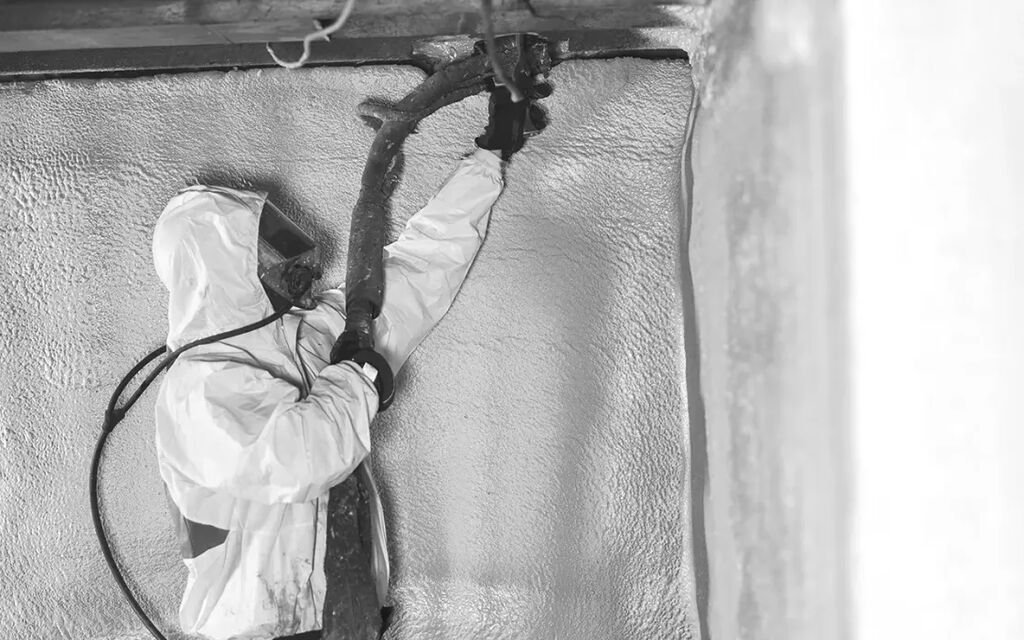
Different parts of a house have different insulation requirements. The appropriate material and installation method depend on the existing construction, available space, moisture conditions, and the condition of surrounding building materials.
Attic insulation
Attics deserve particular attention because heat can escape through the upper parts of a building when insulation and air sealing are inadequate. An assessment should consider existing insulation depth, gaps, ventilation pathways, and air leakage around ceiling penetrations. Attic hatches, service openings, and other gaps may also need attention.
Adding insulation without addressing significant air leaks or checking ventilation can leave underlying problems unresolved. A qualified professional can assess the attic and recommend improvements suited to the home’s construction.
Wall, basement, and crawl-space insulation
Wall insulation may be worth investigating when rooms remain uncomfortable despite adequate heating. The appropriate approach depends on wall construction, existing materials, and whether insulation can be added without creating moisture problems.
Basements and crawl spaces require additional consideration because ground moisture and condensation can affect building materials. Before upgrading these areas, check for water intrusion, dampness, and signs of mould. Any underlying moisture problem should be investigated before affected surfaces are covered.
Air sealing and insulation
Insulation slows heat transfer, while air sealing reduces uncontrolled airflow through gaps and openings. These measures serve different purposes but can complement each other when planned together.
The best approach depends on the home’s condition, ventilation requirements, and existing insulation. Addressing both heat transfer and air leakage can help improve indoor comfort without overlooking important building-envelope concerns.
3. Consider Langford’s Climate and Moisture Conditions
Langford’s coastal Vancouver Island climate makes moisture management an important part of home improvement. Rainwater intrusion, condensation, and inadequate ventilation can affect building materials, insulation performance, and indoor air quality.
Before upgrading insulation in Langford, look for water stains, musty odours, peeling finishes, or visible mould. These signs may indicate an underlying issue that needs professional investigation. Installing new insulation over damp materials may conceal the problem rather than resolve it.
Depending on the property, homeowners may also need to consider roof condition, exterior drainage, flashing, plumbing leaks, and ventilation. A building-envelope assessment can help identify how moisture is entering or accumulating and what corrective measures may be appropriate.
It is equally important to maintain suitable ventilation. Improving airtightness without considering fresh-air requirements can affect indoor humidity and air quality. Insulation, air sealing, and ventilation should therefore be evaluated as connected parts of the home’s overall performance.
4. Compare Insulation Materials and R-Values
Insulation products are available in several forms, including fibreglass batts, blown-in cellulose, mineral wool, and spray foam. Each option has different installation requirements, performance characteristics, and suitability for particular applications.
One important measurement is the R-value, which indicates resistance to heat flow. A higher R-value generally provides greater resistance to heat transfer, although the appropriate level depends on the building component, existing construction, and applicable requirements.
When comparing insulation options, homeowners should consider:
- The type and condition of existing insulation.
- The recommended R-value for the area being upgraded.
- Moisture exposure and vapour-control requirements.
- Fire safety and manufacturer installation instructions.
- Compatibility with electrical wiring, ventilation, and other building components.
- Installation costs, maintenance considerations, and the expected service life of the material.
Installation quality matters as much as material selection. Gaps, compression, uneven coverage, and poorly treated air leaks can reduce insulation effectiveness. Ask the contractor to explain the proposed materials, preparation work, and installation process before approving the project.
5. Coordinate Insulation With Heating and Cooling Upgrades
Insulation improvements can change how a home retains heat, which may influence heating and cooling requirements. The extent of any change depends on the building’s condition, the scale of the upgrade, air leakage, and the performance of existing equipment.
If your heating system struggles to maintain comfortable temperatures, consider evaluating the building envelope and HVAC equipment together. A qualified HVAC contractor in Langford can assess the heating and cooling system, airflow, and other relevant factors as part of a broader home-comfort review.
For homeowners considering heat pump installation in Langford, improving insulation and addressing air leakage may help create more consistent indoor temperatures. However, insulation improvements do not replace appropriate equipment sizing, system selection, or professional installation.
Heat pump capacity should be assessed using the home’s heating and cooling loads rather than floor area alone. Factors such as window performance, air leakage, insulation levels, room layout, and local climate can influence system requirements.
Coordinating insulation work with heating and cooling upgrades can help homeowners evaluate their options more effectively and avoid making decisions based on equipment performance alone.
6. Evaluate Quotes and Plan Your Insulation Project
Before choosing an insulation contractor, request a written estimate that identifies the areas to be upgraded, proposed materials, target R-values where applicable, preparation requirements, and total costs. Clarify whether air sealing, moisture remediation, ventilation changes, and removal of old materials are included.
It is also worth checking relevant qualifications, insurance, references, and applicable permit or building-code requirements. If older insulation or building materials may contain hazardous substances, obtain appropriate professional advice before disturbing them.
Homeowners comparing insulation in Langford should evaluate recommendations according to their property’s needs rather than selecting a service based on price alone. A clear scope of work makes it easier to compare proposals and understand which improvements are included. Greenfoot Energy Solutions provides home energy and HVAC services, including insulation-related solutions and heating and cooling options.
Frequently Asked Questions
When should homeowners consider upgrading insulation in Langford?
Consider an assessment if rooms feel unevenly heated, draughts persist, or heating demand seems unusually high. An inspection can help identify insulation gaps in Langford and other possible causes.
Which areas of a home should be insulated first?
Attics, exterior walls, basements, and crawl spaces are common areas to assess. Priorities depend on existing insulation, air leakage, moisture conditions, and the home’s construction.
Can insulation help reduce household energy costs?
Improved insulation can reduce heat transfer and may lower heating demand when existing insulation is inadequate. Actual savings depend on installation quality, weather, energy prices, and household heating habits.
Does insulation affect heat pump performance?
A well-insulated home may retain heat more effectively and experience fewer temperature fluctuations. Appropriate heat pump sizing, airflow, installation, and maintenance remain important.
Should moisture problems be fixed before adding insulation?
Yes. Water leaks, condensation, and persistent dampness should be investigated before affected areas are enclosed. Otherwise, moisture may damage building materials or contribute to mould growth.
How can homeowners compare insulation quotes?
Compare proposed materials, coverage, R-values, air-sealing work, preparation, exclusions, and total costs. Request a written scope of work and clarify any additional expenses that may arise.
Conclusion
Upgrading insulation in Langford involves more than adding material to an attic or walls. Homeowners should consider air leakage, moisture control, ventilation, installation quality, and the performance of existing heating and cooling equipment. A property-specific assessment can help identify suitable improvements and establish realistic expectations for comfort and energy use. By evaluating these factors together, Langford homeowners can make informed decisions about insulation upgrades that suit their property’s construction, current condition, and long-term needs.
Planning an insulation upgrade or looking for ways to improve your home’s indoor comfort? Visit Greenfoot Energy Solutions’ Langford location to explore available services and find the information you need to plan your next home energy improvement.